


Wilder Ranch California: A Complete Visitor Guide
Wilder Ranch California is a historic 7,000-acre state park located just north of Santa Cruz. Originally a supplier for the Santa Cruz missions, the park later became a successful dairy ranch.
Today, it offers visitors miles of coastal trails, restored historic buildings, and living history demonstrations.
Welcome to one of the most scenic and historically rich destinations on the Central Coast. Exploring this coastal gem offers a unique blend of breathtaking natural beauty and preserved agricultural history.
Located just minutes from the city’s busy boardwalks, this large property is easy to reach. It stretches across ocean bluffs and coastal terraces. It also includes redwood forests.
Historically, this land was a vital economic hub for the region. It first supplied nearby religious outposts with essential goods. Later, it became a highly innovative and profitable dairy business. Today, it stands out as a prime destination for outdoor enthusiasts, families, and history buffs alike.
Whether you want to hike along rugged cliffs, this place is for you.
You can also step back in time with well-preserved Victorian buildings.
Or you can enjoy a quiet afternoon by the ocean.
Watch the waves crash against the sea caves.
This destination has something for everyone. It remains a favorite spot for tourists and locals planning a memorable coast trip. It offers an ideal escape into nature and history.
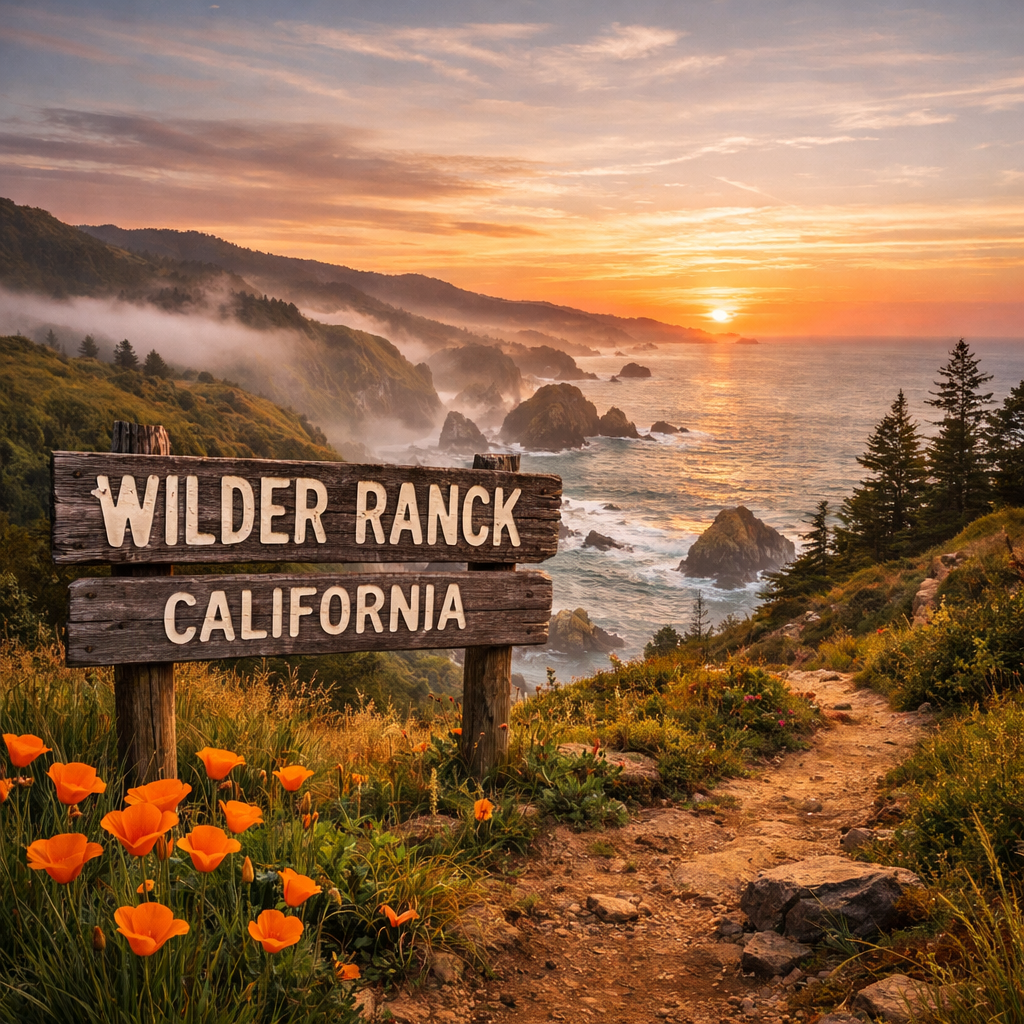
Table of contents
- Wilder Ranch California: A Complete Visitor Guide
- What Is Wilder Ranch State Park “Wilder Ranch California”
- History of the Wilder Ranch and the Wilder Family
- Historic Buildings in the Ranch Complex
- Things to Do at Wilder Ranch State Park
- Trails and Outdoor Activities
- Visitor Information
- Why Wilder Ranch Is One of the Best Historic Parks in Santa Cruz County
- Frequently Asked Questions
- Conclusion
What Is Wilder Ranch State Park “Wilder Ranch California”
Wilder Ranch State Park is “Wilder Ranch California” a premier protected area spanning approximately 7,000 acres of diverse coastal and forest terrain. Operating as a key unit in the California State Parks system, it supports environmental conservation and cultural preservation.
The park serves a dual purpose. First, it protects the region’s fragile coastal ecology, so native plants and animals can thrive without urban sprawl. Second, it preserves a significant chapter of the state’s agricultural past. The large property stretches from the ocean cliffs west of Highway 1.
These cliffs are hit by strong waves.
To the east, it reaches the rolling grasslands and wooded slopes of Ben Lomond Mountain.
Visitors come here for panoramic views of Monterey Bay. They also come to engage with the past. The park is known for blending outdoor fun with hands-on learning. This makes it a top U.S. destination for heritage tourism.
History of the Wilder Ranch and the Wilder Family
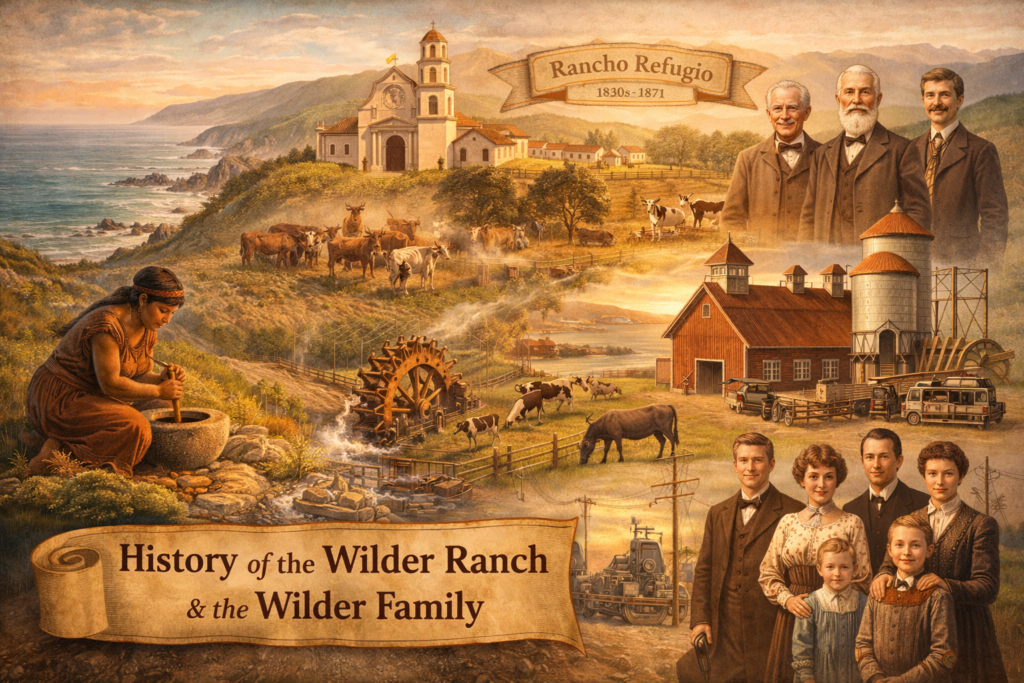
The story of the land goes back thousands of years. It begins with the native Ohlone people.
They thrived along the coast. They used the region’s rich sea and land resources. In the late 1700s and early 1800s, the area was the main pastureland. It supplied the Santa Cruz missions with livestock, grain, and other key resources.
Following the mission secularization in the 1830s, the land became part of Rancho Refugio.
It was a large Mexican land grant. By the mid-19th century, the property had transitioned into private American hands. In 1871, a dairyman named Delos D. Wilder and his business partner acquired a portion of the property. They soon developed it into a highly successful and technologically advanced dairy farm.
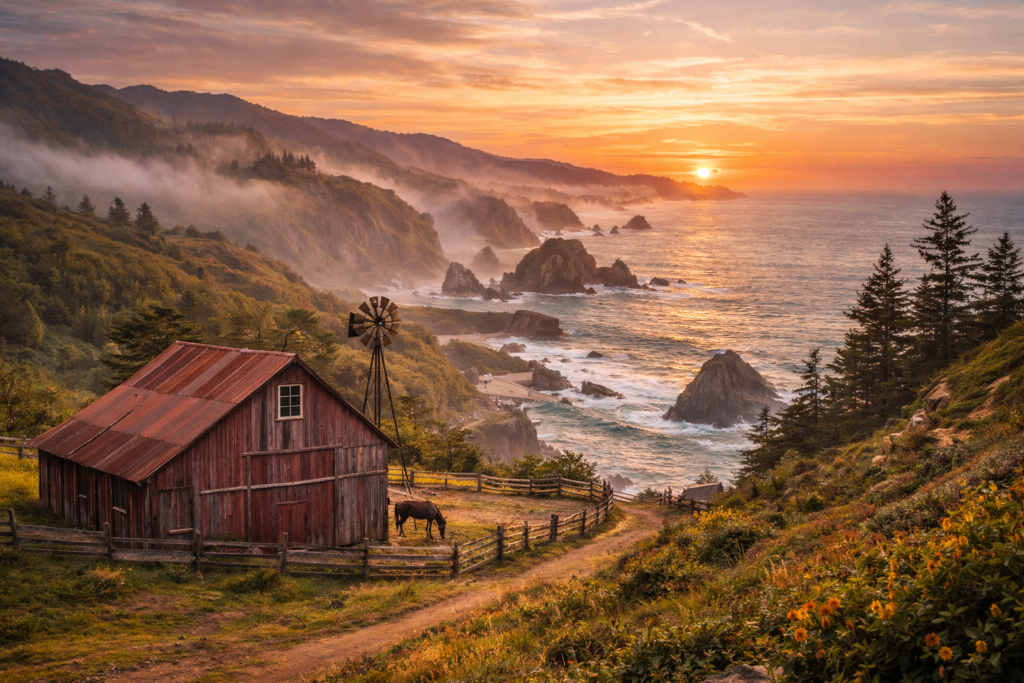
The Wilder family operated the property for five generations, constantly adapting to the changing times. They adopted modern technology early on.
They used a Pelton water wheel to power their machine shop.
They electrified their operations long before many rural areas had grid access. Operating a massive agricultural enterprise required strict financial management. While many people today use credit services in California to manage their money.
Early ranchers survived by using new machines. They also ran larger operations.
The family continued to run the dairy ranch until 1969, when rising property taxes made the business unsustainable. In the 1970s, the land was threatened by a massive housing development.
Fortunately, local citizens formed “Operation Wilder” and rallied support. The state bought the land in 1974. It is now protected for public use.
Historic Buildings in the Ranch Complex
A major highlight of any visit is exploring the beautifully preserved ranch complex. These buildings give a clear link to the daily lives of early California settlers. They also show how rural architecture changed over a century.
Bolcoff Adobe
The Bolcoff Adobe is the oldest surviving structure on the property, built around 1840. It was built by Jose Antonio Bolcoff, a Russian sailor who jumped ship.
He became a naturalized Mexican citizen. He married into the family that held the rancho grant. This rustic building serves as an important reminder of the region’s Mexican rancho period.
Victorian Home
Constructed in 1897, the elegant Victorian home was built by Delos Wilder. He hoped it would convince his son, Melvin, to stay. He also wanted Melvin to work on the family farm.
Melvin was a trained engineer, so the home had modern comforts for its time. It included electricity, hot running water, and redwood cabinets. Today, it stands as a centerpiece of the cultural preserve.
Farm House and Dairy Ranch Structures
The older farm house, featuring a Gothic Revival style partially built in the 1850s, predates the Wilder family’s arrival. Surrounding these historic homes are important dairy ranch buildings.
These include a restored water-powered machine shop.
They also include a blacksmith forge and barns. These buildings illustrate the industrial innovation that made the enterprise so successful.
Things to Do at Wilder Ranch State Park
There is no shortage of engaging activities for visitors of all ages. The park excels at bringing history to life while offering abundant outdoor recreation.
History enthusiasts will love the engaging ranch tours led by knowledgeable docents. These guided walks take you through the historic buildings and explain the complex mechanics of the early dairy operations. You can also visit the farm animals, including draft horses, goats, and chickens, which are always a hit with younger visitors.
On weekends, the park frequently hosts living history demonstrations. Docents dressed in period clothing showcase traditional skills like blacksmithing, wood stove baking, and operating the old water wheel.
For a deeper dive into the area’s background, spend some time exploring the visitor center. Here, you can find detailed exhibits about the indigenous populations, the mission era, and the agricultural boom of the late 19th century.
Trails and Outdoor Activities
Outdoor adventurers flock to this location for its remarkable and varied trail system. The park features over 34 miles of trail, accommodating hikers, mountain bikers, and equestrians seeking diverse terrains.
The Old Cove Landing Trail is a definitive crowd favorite. This relatively flat, scenic route hugs the coastline, offering spectacular views of hidden beaches, rugged sea caves, and local marine life. It is common to spot harbor seals resting on the rocks, pelicans diving for fish, and even migrating gray whales from the towering bluffs.
For a more strenuous workout, visitors can cross Highway 1 and head inland into the Gray Whale Ranch section of the park. The trails winding up into the Santa Cruz Mountains provide challenging elevation gains, shaded paths through majestic redwood groves, and remnants of old 19th-century lime kilns. The sheer diversity of the landscape ensures that every hike feels like a brand-new adventure.
Visitor Information
Planning your trip is straightforward, but knowing a few key details will ensure a smooth and enjoyable experience. The park is conveniently located just two miles north of Santa Cruz, directly off the iconic Highway 1.
Ample parking is available for visitors. The main parking lots require a $10 day-use vehicle fee, which directly supports the maintenance and preservation of the park. Credit cards are highly encouraged and accepted at the automated pay stations near the entrance.
The park grounds and trails are open daily from 8:00 a.m. until sunset. However, if you want to experience the historic buildings and guided activities, plan your visit for Saturday and Sunday. During these weekend days, you can easily access the visitor center and join the scheduled interpretive programs.
Please note that to protect the local wildlife, livestock, and delicate ecosystems, dogs are strictly prohibited anywhere in the park, including the trails and the historic complex. Because coastal weather can be unpredictable, bringing layered clothing is always recommended. For official updates on trail conditions and event schedules, you can check the California State Parks website.
Why Wilder Ranch Is One of the Best Historic Parks in Santa Cruz County
This destination stands out because it masterfully preserves a multi-layered history while providing world-class coastal access. Many parks offer either historical buildings or natural beauty, but rarely do they combine both so effectively.
It provides a crucial educational resource for the community and tourists alike, allowing visitors to physically step into the past. Furthermore, the preservation of this massive tract of land prevents the overdevelopment of the pristine coastline, maintaining an essential green space and wildlife corridor in Santa Cruz County.
Whether you are seeking a peaceful solitary hike along the bluffs or an educational outing with the family, this park delivers an exceptional experience. It remains a testament to California’s dedication to preserving its natural and cultural heritage. For more information on exploring the broader region and finding accommodations, the Santa Cruz tourism board offers excellent resources for travelers.
Frequently Asked Questions
Where is Wilder Ranch located in California?
The park is located on the Central Coast, situated directly off Highway 1. It is approximately two miles north of downtown Santa Cruz, making it highly accessible for day trips from the San Francisco Bay Area.
Is Wilder Ranch State Park free to visit?
While walking or biking into the park via regional connecting trails is free, there is a $10 day-use fee for vehicles parking in the designated lots inside the park boundaries.
How many acres is Wilder Ranch State Park?
The park covers approximately 7,000 acres. This expansive area encompasses stunning ocean bluffs, coastal terraces, and dense mountain forests extending up toward the university campus.
What activities can visitors do at the ranch?
Visitors can hike, mountain bike, or horseback ride along extensive trail networks. Additionally, guests can watch living history demonstrations, view farm animals, and explore historic Victorian and adobe buildings.
Are guided ranch tours available?
Yes, guided tours of the historic complex are typically offered on Saturday and Sunday. These tours of special events allow visitors to see inside the historic homes, barns, and workshops while learning from knowledgeable docents.
Conclusion
Wilder Ranch California in United Stated offers an unparalleled window into the state’s vibrant and dynamic past. From its early origins supporting the Santa Cruz missions to its enduring legacy as an innovative and prosperous agricultural hub, the land tells a compelling story of adaptation, community, and growth.
Today, its wide trail networks and restored buildings offer a perfect weekend escape. They help visitors connect with nature and history. When planning your next trip to Santa Cruz County, make sure to set aside a day to wander the coastal bluffs, explore the old barns, and experience the timeless beauty of this remarkable coastal treasure.


