


Why You Need a Receipt from Store Purchases
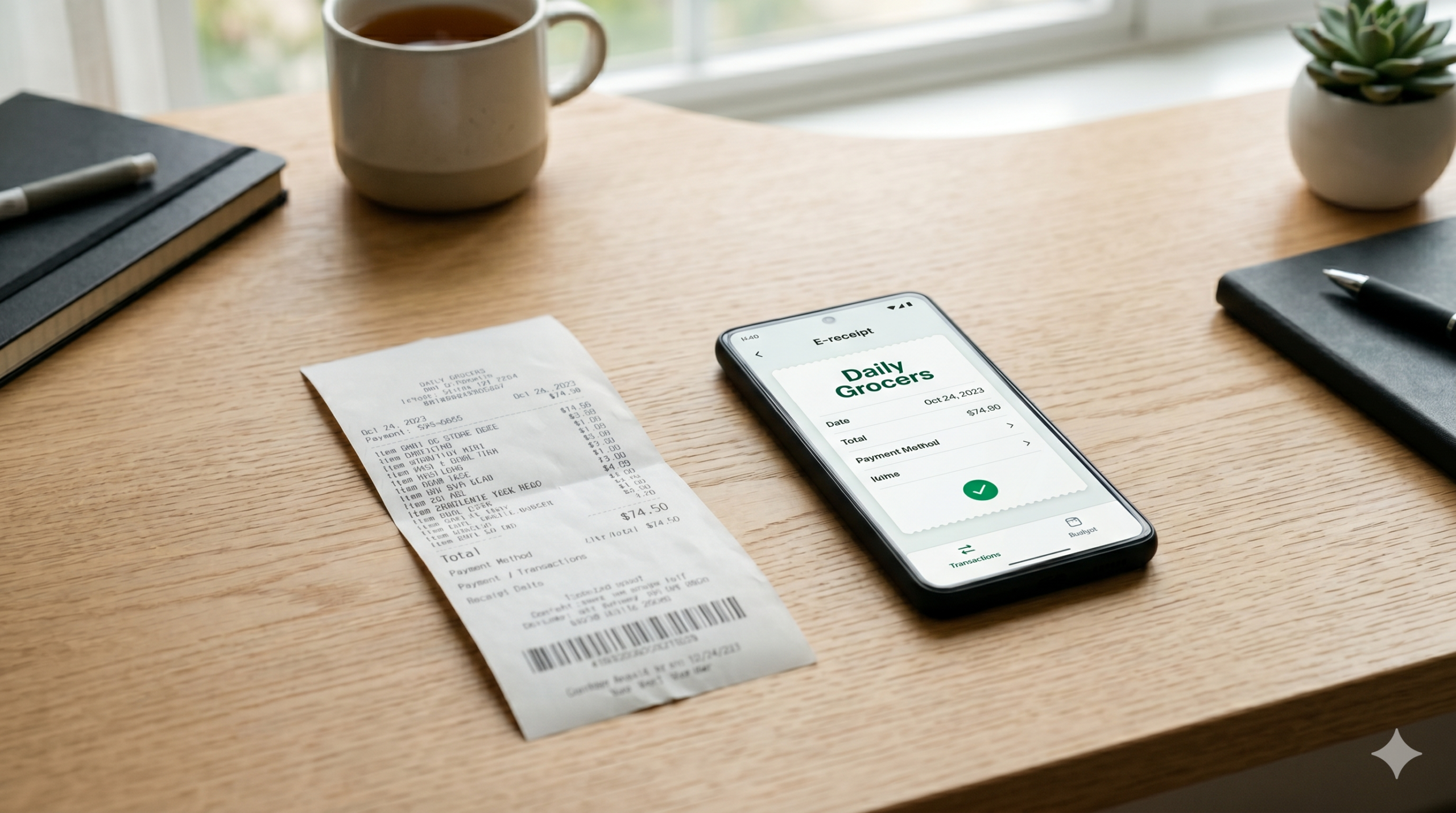
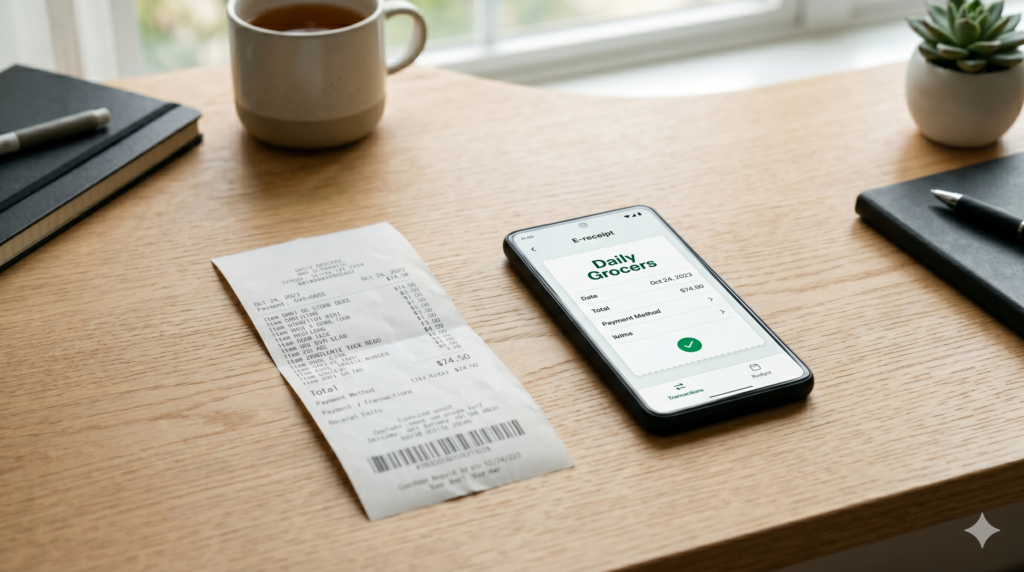
A receipt from a store serves as your official proof of purchase. It is the most critical document for processing returns, claiming warranties, and protecting your basic consumer rights. Whether printed or emailed, saving this record ensures you have documented transaction evidence when interacting with customer service.
The Importance of Keeping Your Store Receipt
In the U.S. retail landscape, businesses rely on a strict return policy to manage inventory and prevent return fraud. To navigate these store rules smoothly, retaining your original receipt is essential.
Beyond simple exchanges, these documents validate manufacturer warranties if a product unexpectedly fails. Furthermore, if you are tracking business expenses, the IRS requires clear documentation for tax purposes. Keeping these records organized is also a foundational step in managing your monthly personal budget.
While paper copies used to be the absolute standard, the modern digital receipt offers a convenient alternative. Opting for an emailed version guarantees you never lose the document, keeping your records intact without the physical clutter of fading thermal paper.
What to Do If You Lose Your Receipt
Losing an itemized record doesn’t necessarily mean you are stuck with an unwanted item. If you need an exchange but lack the physical slip, start by checking the retailer’s specific rules online.
Many modern stores can look up past transactions using the credit card statement linked to your purchase. If you used a store loyalty account or mobile app at checkout, customer service can often retrieve your purchase history directly from their system.
Understanding your broader consumer rights regarding refunds through the Federal Trade Commission can clarify your options if a retailer is uncooperative. Remember that U.S. return policies vary widely between individual companies.
Final Tip on Receipt Management
To avoid future headaches, make a habit of snapping a quick photo of physical slips or requesting an electronic copy at checkout. Consistently organizing these records secures your consumer protections and ensures you are fully prepared for unexpected returns.


